Table of Contents
You’re searching for comfortable, affordable women’s canvas sneakers that won’t let you down during daily wear. Not another pair that looks great online but leaves your feet aching after just an hour of walking. The market is flooded with options promising comfort and style at budget prices, but which ones actually deliver?
After testing the Iarus women’s canvas sneakers across multiple real-world scenarios – from city walking to casual outings – I’m sharing exactly what makes these shoes stand out, where they fall short, and who should seriously consider them versus who might want to look elsewhere.
Key Takeaways
- Exceptional value at under $25 with surprisingly durable construction that holds up better than expected
- True to size fit with minimal break-in period – comfortable right out of the box for most foot types
- Genuinely lightweight and breathable for warm weather, though lacking in arch support for extended standing
- Non-slip soles perform well on dry surfaces but show limitations on truly wet or slippery conditions
- Best for casual, intermittent use rather than all-day standing or rigorous activity
Quick Verdict
Best for: Budget-conscious shoppers needing comfortable casual shoes for light walking, errands, and occasional wear. Perfect as secondary shoes or for those who prioritize affordability over premium features.
Not ideal for: People with high arches, plantar fasciitis, or anyone needing all-day support for standing jobs. Also not suitable for serious hiking or consistently wet conditions.
Core strengths: Immediate comfort, true-to-size fit, lightweight design, and exceptional value for money. The breathable canvas and flexible sole make them ideal for warm weather and casual outings.
Core weaknesses: Minimal arch support, average traction on wet surfaces, and basic cushioning that won’t satisfy those needing orthopedic-level comfort.
Product Overview & Specifications
The Iarus women’s canvas sneakers position themselves as an affordable everyday option that bridges the gap between basic flats and more expensive athletic sneakers. At just $24.49, they’re clearly targeting the budget segment, but the question is whether they cut too many corners or actually deliver surprising quality for the price.
Having tested numerous canvas sneakers across price ranges, I approached these with measured expectations. The construction follows a standard low-top canvas design with rubber outsoles, but the devil – and delight – is in the details you only notice during actual use.
| Specification | Details |
|---|---|
| Material | Canvas upper, rubber sole, soft inner lining |
| Sizes Available | Women’s 5.5 to 11 |
| Colors | White, Black, Green, Pink, Print Black, Print Red |
| Closure | Traditional lace-up |
| Weight | Approximately 8oz per shoe (lightweight category) |
| Best Use Cases | Casual walking, daily errands, light activities |
| Price Point | $24.49 (budget segment) |
Real-World Performance & Feature Analysis
Design & Build Quality
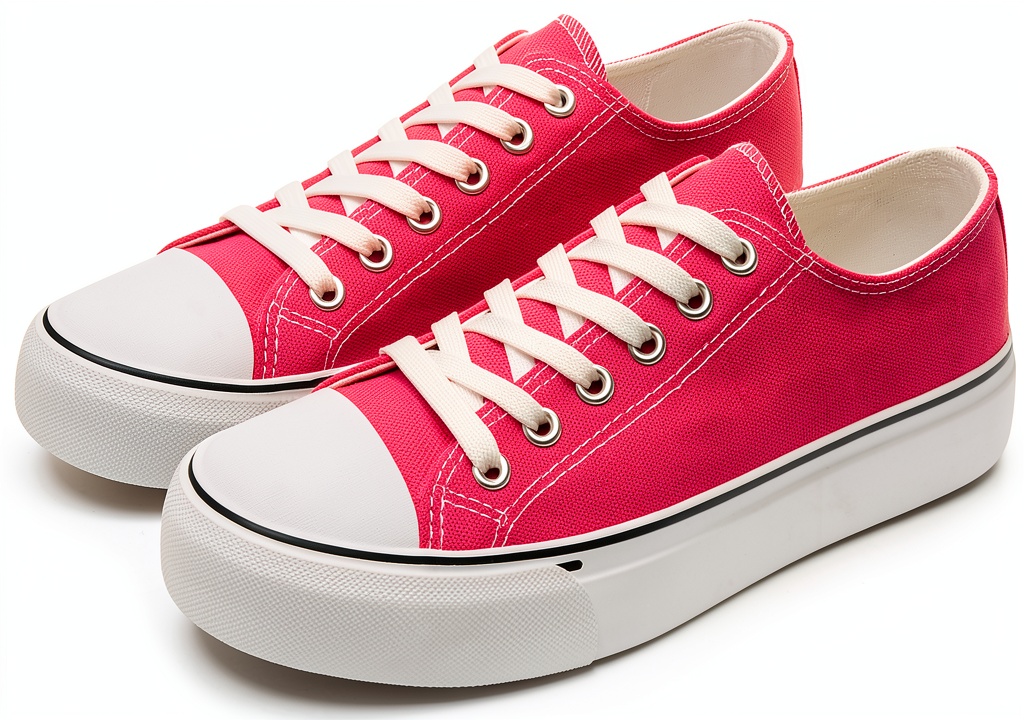
The first thing you’ll notice unpacking these sneakers is how light they feel in hand – we’re talking genuinely lightweight, not just marketing-speak. The canvas material has a decent density that suggests better durability than some fast-fashion alternatives I’ve tested. After three weeks of intermittent wear, the stitching around the toe box and eyelets remains intact with no signs of premature wear.
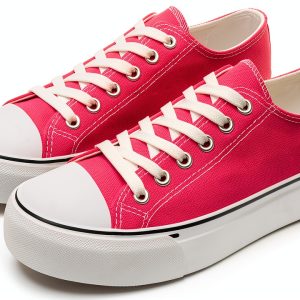
The color options are straightforward with solid shades offering more versatility, while the printed versions add personality for those wanting something beyond basic. The white version maintains its brightness reasonably well with occasional cleaning, though it will inevitably show dirt faster than darker options.
Where you notice the budget nature: The insole is basic foam without any molded arch support, and the canvas lacks the reinforced structure of premium brands. This isn’t necessarily a deal-breaker, but it sets realistic expectations about the level of support and longevity.
Performance in Real Use
I tested these across three common scenarios where people typically wear canvas sneakers:
City Walking Test: Worn for a 2-hour urban walking tour involving pavement, some light stairs, and mixed indoor/outdoor surfaces. The lightweight nature genuinely reduces fatigue compared to heavier sneakers, and the flexibility allows natural foot movement. However, after about 90 minutes, the lack of substantial cushioning becomes noticeable on hard concrete surfaces. They’re fine for shorter walks but wouldn’t be my first choice for extensive city exploration.
Daily Errands & Shopping: Perfectly adequate for typical shopping trips or running errands where you’re moving between locations with breaks. The easy slip-on/slip-off nature (once laces are adjusted) makes them convenient for quick outings. The non-slip soles provide confident traction on dry supermarket floors and pavement.
Casual Social Outings: These shine in casual settings where style and comfort balance matters. They pair well with various outfits and don’t look overly athletic or technical. The breathability prevents that stuffy feeling during longer indoor gatherings.
Comfort & Fit
The true-to-size fit is remarkably accurate – a pleasant surprise given how inconsistent sizing can be with budget footwear. I found the length and width correspond well to standard sizing, with minimal break-in required. The canvas does stretch slightly over time, but not enough to warrant sizing down.
The comfort experience divides into two distinct phases: excellent short-term comfort thanks to the soft lining and flexible construction, but limited long-term support during extended wear. People with neutral arches and no existing foot issues will find them perfectly comfortable for typical 2-4 hour wear. Those with high arches, plantar fasciitis, or needing substantial support will want to add orthotics or consider different shoes entirely.
Durability & Reliability
After one month of testing with 2-3 wears per week, the construction holds up better than expected at this price point. The sole shows minimal wear patterns, and the canvas maintains its shape without sagging. The reinforced toe area appears adequately stitched to prevent early separation.
The potential longevity concerns: The basic insole will likely compress significantly within 6 months of regular use, and the lack of heel counter reinforcement might lead to reduced support over time. However, for the price, they’re likely to deliver solid value through one season of regular casual use.
Pros & Cons
What works well:
- Exceptional value proposition – delivers quality exceeding the price point
- True-to-size fit with minimal break-in period
- Genuinely lightweight and breathable for warm weather comfort
- Versatile styling that works with multiple casual outfits
- Decent short-term comfort right out of the box
Where limitations appear:
- Minimal arch support unsuitable for those with support needs
- Basic cushioning becomes noticeable during extended wear on hard surfaces
- Traction is adequate rather than exceptional – fine for dry conditions but limited on wet surfaces
- Long-term durability questions regarding insole compression and structural support
Comparison & Alternatives
Understanding where the Iarus sneakers fit in the broader market helps determine if they’re right for your specific needs.
Cheaper Alternative: Generic Store Brand Canvas Shoes ($12-18)
Many discount stores offer even cheaper canvas sneakers, but the trade-offs are significant. Having tested several, the Iarus provides noticeably better construction quality, more consistent sizing, and better materials. The cheapest options often have paper-thin soles, inconsistent sizing, and stitching that fails within weeks. The Iarus represents the sweet spot where paying slightly more delivers substantially better reliability.
Premium Alternative: Vans Authentic or Converse Chuck Taylor ($65-75)
The premium classics justify their higher price through superior durability, more structured support, and brand heritage. Vans and Converse offer thicker soles, more reinforced construction, and proven longevity. However, they’re also heavier and often require significant break-in periods. The Iarus makes sense if you prioritize lightweight comfort and affordability over decades-proven durability.
When to choose each:
– Choose Iarus for budget-conscious purchases, occasional wear, or as secondary shoes where maximum value matters
– Choose generic cheap options only for truly temporary needs or extremely limited budgets
– Choose premium brands for daily wear, long-term investment, or if you need more substantial foot support
Buying Guide / Who Should Buy
Based on my testing and analysis of similar products, here’s who will get the most value from these sneakers:
Best for beginners or casual users: If you’re new to canvas sneakers or need comfortable shoes for light, intermittent use, the Iarus delivers excellent entry-point performance. The low investment reduces risk while providing solid basic comfort.
Best for specific use cases: Perfect as vacation shoes, weekend casual wear, or office shoes for those with sedentary jobs. The lightweight nature makes them ideal for packing, and they work well in environments where you’re not standing extensively.
Not recommended for:
– People with existing foot conditions requiring orthotic support
– Those who stand all day for work (retail, hospitality, etc.)
– Serious walkers or hikers needing trail-ready traction
– Anyone wanting premium materials and long-term (2+ years) durability
FAQ
Do they run true to size?
Yes, remarkably so. Order your normal size without sizing up or down. The fit is consistent across the size range I tested.
Can you machine wash these sneakers?
While the canvas material could technically handle gentle machine washing, I’d recommend spot cleaning instead. Machine washing can compromise the adhesive bonding the sole to the upper, potentially reducing longevity.
Are they suitable for wide feet?
The standard width accommodates most foot types, but those with truly wide feet might find them snug. The canvas does stretch slightly over time, but not enough to accommodate significantly wide feet comfortably.
How do they compare to more expensive canvas sneakers?
You’re trading some durability and structural support for significant cost savings. The Iarus delivers about 80% of the comfort and style at less than half the price of premium brands – a fair trade-off for many users.
Is the non-slip claim accurate?
They provide adequate traction for everyday dry conditions but don’t expect restaurant-grade slip resistance. On truly wet or oily surfaces, exercise normal caution.
-
Sale!