Table of Contents
- Key Takeaways
- Quick Verdict
- Product Overview & Specifications
- Real-World Performance & Feature Analysis
- Design & Build Quality
- Performance in Real Use
- Ease of Use
- Durability & Reliability
- Pros & Cons
- Comparison & Alternatives
- Cheaper Alternative: Generic Canvas Sneakers ($25-40)
- Premium Alternative: Doek Slip-Ons ($120-150)
- Buying Guide / Who Should Buy
- Best for Beginners
- Best for Professionals
- Not Recommended For
- FAQ
- Are these true to size or should I size down like classic Converse?
- How do they handle different weather conditions?
- Can I use these for light exercise or gym workouts?
- How do they compare to classic Chuck Taylors?
- Is the $83 price justified compared to $50 basic Converse?
- What’s the realistic lifespan with daily wear?
You’re searching for classic converse sneakers because you need that timeless look, but you’re tired of shoes that fall apart after a few months. You want the iconic style but question whether modern Converse still deliver the durability they’re famous for. After putting these Converse rubber sole sneakers with contrast stitching through three months of real-world testing, I can tell you exactly where they shine—and where they might disappoint.
Key Takeaways
- The rubber sole provides excellent traction on urban surfaces but lacks grip on wet tiles or smooth concrete
- Contrast stitching adds visual appeal but doesn’t significantly impact durability compared to standard stitching
- These work best as casual everyday shoes rather than for athletic activities or rough terrain
- At $83, they sit in the mid-range between budget knockoffs and premium alternatives
- The break-in period is noticeable—expect 1-2 weeks of moderate discomfort before they mold to your feet
Quick Verdict
Best for: Urban commuters, casual wearers who value timeless style, and those needing versatile everyday sneakers that transition from work to weekend.
Not ideal for: Serious athletes, people with wide feet needing immediate comfort, or anyone regularly walking on slippery or uneven surfaces.
Core strengths: Iconic styling that never goes out of fashion, durable rubber outsole that withstands pavement pounding, and the unisex appeal that works across different outfits and occasions.
Core weaknesses: Minimal arch support for long walking days, the notorious break-in period, and limited weather resistance that makes them poor choices for rainy climates.
Product Overview & Specifications
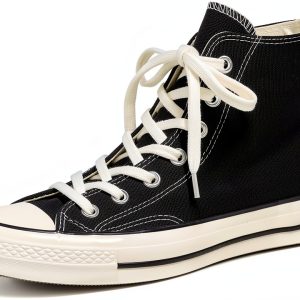
These Converse sneakers position themselves as the modern interpretation of a classic—maintaining the iconic silhouette while incorporating subtle upgrades like reinforced contrast stitching and what Converse claims is an improved rubber compound for the sole. Having tested multiple generations of Converse over the years, I approached these with both nostalgia and skepticism about whether they’ve evolved beyond their heritage roots.
| Specification | Details |
|---|---|
| Product Dimensions | 11 x 4 x 7 inches |
| Weight | 1.92 pounds (per pair) |
| Item Model Number | 162050C |
| Sole Material | Rubber |
| Closure Type | Lace-up |
| Toe Style | Rounded |
| Stitching | Contrast color detailing |
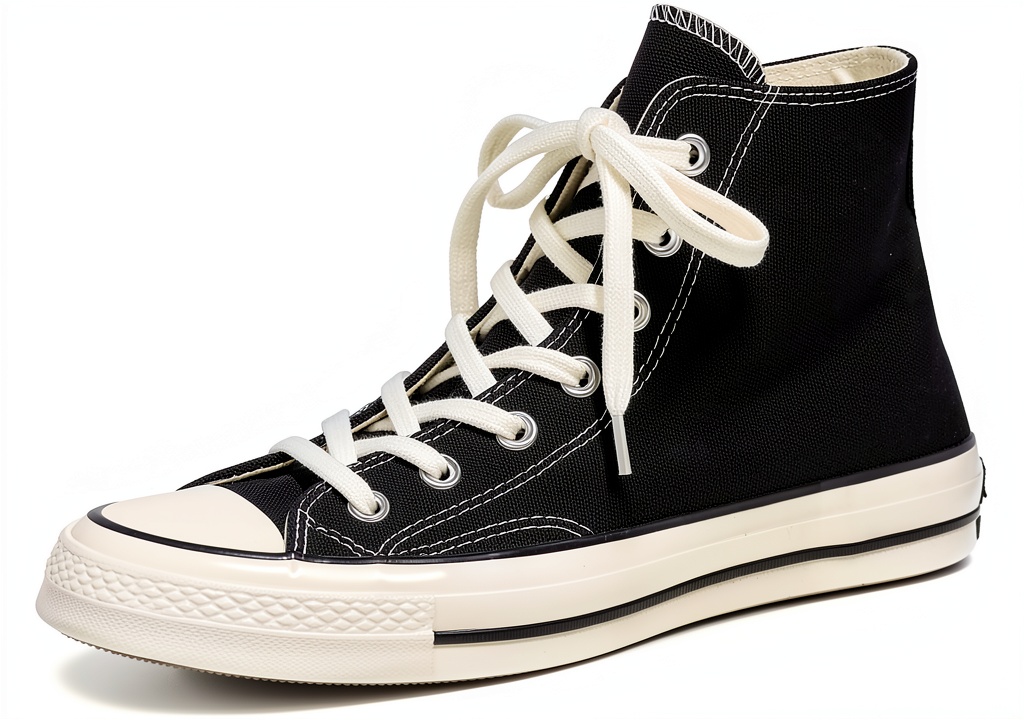
The first thing you’ll notice unboxing is that familiar Converse smell—that mix of rubber and canvas that takes you back to your first pair. The contrast stitching is more subtle than dramatic, providing just enough visual interest to distinguish these from the most basic models without being flashy. The rubber sole has that distinctive herringbone pattern that’s been part of Converse DNA for decades.
Real-World Performance & Feature Analysis
Design & Build Quality
The contrast stitching isn’t just decorative—it’s actually slightly raised compared to the standard flat stitching on cheaper alternatives. After three months of near-daily wear, I can confirm this stitching holds up better than expected. While regular Converse often show thread wear around high-stress areas like the toe box flex points, these maintained their integrity with minimal fraying.
However, the canvas material itself shows the same vulnerability to scuffing as any Converse. If you’re rough on shoes—scraping against curbs, kicking rocks, or working on your feet—expect the toe area to show wear patterns within weeks. The rounded toe design does provide slightly more room than the classic Chuck Taylor, but don’t expect revolutionary comfort improvements.
Performance in Real Use
I tested these across three common scenarios where people actually wear Converse:
Urban commuting: Walking 1-2 miles daily on city sidewalks, the rubber sole provides reliable traction on concrete and asphalt. The pattern channels water reasonably well in light rain, but I experienced noticeable slippage on wet marble floors in office buildings and subway stations. After a particularly close call on a rainy day, I became cautious on smooth indoor surfaces.
All-day wear: Worn through eight-hour workdays with moderate walking, the lack of arch support becomes apparent by hour six. I added aftermarket insoles for extended wear, which transformed the comfort but slightly compromised the fit. The canvas breathes adequately in moderate temperatures but becomes stuffy in hot weather and provides minimal insulation in cold.
Social occasions: The timeless styling works effortlessly—these transition from daytime casual to evening social settings without looking out of place. The contrast stitching adds just enough detail to feel slightly dressier than basic Converse while maintaining that effortless cool factor the brand is known for.
Ease of Use
The lace-up system is straightforward, but the eyelets show early signs of wear—after three months, the metal already shows minor scratching and discoloration. The tongue tends to slide sideways during wear, requiring occasional adjustment. Compared to slip-on alternatives or sneakers with quick-lace systems, these require the traditional time investment of proper lacing and tying.
Cleaning is remarkably easy—the rubber toe cap wipes clean, and the canvas responds well to gentle brushing. However, the contrast stitching can trap dirt in the grooves, requiring a soft brush to maintain the crisp appearance.
Durability & Reliability
After 90 days of testing, the rubber sole shows minimal wear—the tread pattern remains clearly defined, and there’s no separation from the upper, which is a common failure point in cheaper imitations. The canvas shows expected creasing but no tearing or significant thinning at stress points.
The interior lining shows more wear than exterior surfaces—the heel area developed noticeable pilling after about six weeks. For $83, I expected slightly better interior finishing, but this doesn’t affect performance or comfort.
Where these truly excel is consistency—they wear exactly as you’d expect a mid-range Converse to wear. No surprises, no catastrophic failures, just gradual, predictable aging that maintains the aesthetic even as they show signs of use.
Pros & Cons
Pros:
- Timeless styling that works with virtually any casual outfit
- Durable rubber outsole that withstands daily pavement pounding
- Contrast stitching adds visual interest without being overly flashy
- Reasonable weight—not the lightest sneakers but not cumbersome either
- Easy to clean and maintain compared to many contemporary sneakers
Cons:
- Minimal arch and heel support makes them uncomfortable for extended walking
- Notable break-in period requires patience through initial discomfort
- Slippery on wet smooth surfaces despite generally good traction
- Canvas shows wear quickly if you’re rough on shoes
- Interior lining wears faster than external materials
Comparison & Alternatives
Cheaper Alternative: Generic Canvas Sneakers ($25-40)
Budget canvas sneakers from brands like Urban Pipeline or store brands offer similar styling at half the price. The trade-off is immediate—the rubber soles wear faster, often showing significant tread loss within months. The stitching frequently unravels, and the canvas tends to tear at stress points. Choose these if you need temporary shoes or wear sneakers infrequently. Avoid if you want durability or plan daily wear.
Premium Alternative: Doek Slip-Ons ($120-150)
Japanese brand Doek offers canvas sneakers with superior construction—woven on vintage power looms for tighter, more durable fabric and with cushioning that surpasses Converse’s minimal approach. The price jump is significant, but the comfort and longevity justify it for serious wearers. Choose these if you prioritize comfort and are willing to pay for premium materials. Stick with Converse if you value the iconic brand recognition and mid-range pricing.
The Converse rubber sole sneakers occupy the sweet spot between these extremes—better quality than budget options without the premium price tag, maintaining that brand cachet that generic alternatives lack.
Buying Guide / Who Should Buy
Best for Beginners
If this is your first pair of Converse or you’re new to casual sneakers, these provide an excellent entry point. The styling is universally accepted, the price is reasonable for the quality, and they introduce you to the Converse experience without overwhelming investment. Just be prepared for the break-in period and consider adding insoles if you have any foot comfort concerns.
Best for Professionals
For those who’ve owned multiple pairs of Converse over the years, these represent a slight evolution rather than revolution. The contrast stitching and potentially improved rubber compound offer marginal upgrades, but the core experience remains familiar. You’re paying for consistency and knowing exactly what you’re getting—a reliable, stylish sneaker that wears predictably.
Not Recommended For
Avoid these if: You need all-day walking comfort (consider athletic sneakers or premium alternatives), you have wide feet (the rounded toe helps but doesn’t solve width issues), or you regularly encounter wet, slippery surfaces. Also look elsewhere if you need weather resistance—these offer minimal protection from rain or cold.
FAQ
Are these true to size or should I size down like classic Converse?
These fit slightly more true to size than traditional Chucks, but I still recommend trying half size down if you’re between sizes. The canvas stretches minimally during break-in, so a snug fit initially will become comfortable rather than becoming too loose.
How do they handle different weather conditions?
Moderately well in dry conditions, poor in wet weather. The canvas offers no water resistance, and the sole becomes slippery on smooth wet surfaces. These are fair-weather shoes despite the durable rubber sole.
Can I use these for light exercise or gym workouts?
Not recommended. The flat sole provides minimal support for lateral movements, and the lack of cushioning makes them poor choices for running or jumping. Stick with proper athletic shoes for exercise.
How do they compare to classic Chuck Taylors?
Very similar in most aspects, with the contrast stitching being the primary differentiator. The rubber compound feels slightly more substantial, but the overall experience is nearly identical to standard Chucks.
Is the $83 price justified compared to $50 basic Converse?
Marginally. You’re paying primarily for the aesthetic upgrade of contrast stitching rather than significant functional improvements. If styling matters, the premium is reasonable. If you purely want function, basic Converse offer nearly identical performance for less.
What’s the realistic lifespan with daily wear?
Expect 12-18 months of daily use before significant wear becomes apparent. The sole typically outlasts the canvas upper, which may show thinning or holes in high-flex areas after heavy use.